


Content (noun): the substance, ideas, or information contained within something, or the items held inside a container or space.
Content has a negative connotation. We think of it as being shallow, disposable, and, at worst, harmful. But, what makes content give us this ick? Is it bad or unethical? What makes it a dull form of entertainment, and if it’s none of the above, why does it feel that way?
The trouble with content isn’t that it’s bad art or lowbrow, but that it has no ambition to be art at all. Its purpose is circulation (seen, shared, liked, cycled) and it’s success measured by chatter (good or bad). Content has no soul-stake from its creator and therefore doesn’t care about metanoia, that deep-seated sense of change.
Content is to art as pornography is to eros. Both are made for consumption but where art invites contemplation, content seeks gratification, to get a reaction for the sake of being reacted to. Like how porn profanes eros by removing the hidden face of desire, content strips difficulty or mystery to create something immediately intelligible, pleasurable, then immediately forgotten. “Content” means “the stuff in a container”, it’s literally filler made to take up space, to generate views.
Art is made to inspire its viewer (to pass something to its viewer), content is engineered to tickle a psycho-social-cultural erogenous zone. In Byung-Chul Han’s Agony of Eros, he defines pornography as “bare life on display… The antagonist of eros, it annihilates even sexuality.” The profanity of pornography is not that it has too much sex, but it has no sex at all: by reducing all the mystery of desire to simply something to be simply thrown on display, it disrespects real sexuality.
Art demands to be met, not just consumed—the audience must push a little, work a little, try a little to encounter it in that sacred space we call contemplation, which comes from the Latin, contemplatio and templum—the space marked out for augury, a sacred space reserved for watching the signs of the divine. Templum also gives us the word “temple”, a consecrated space. With the prefix con-, meaning “with”, contemplation means to be with the temple, or to dwell within the sacred space of attention. Contemplation means intention, slowness, interiority, and reverence.
Content collapses this holy space—there is nothing to think about, to contemplate on, when watching porn. Both porn and content turn the sacred into the profane via quantification, by turning something natural into a number: a woman is a price; your “like” is a count, not an immeasurable emotion.
After all, content is driven by the principle of “attention span”. As a result, the world of creation is filled with posts that compete for the psychological bottom-line, every piece more and more dopaminergic—who can feed the same crowd for the cheapest amount of attention? Who can make the biggest splash while requiring the least amount of friction from its viewer?
As a result, content (no matter how skillfully made or viral) targets the lowest common denominator without expecting its audience to be changed in any way—it MUST be legible to everyone because it cannot afford to be ignored by anyone.
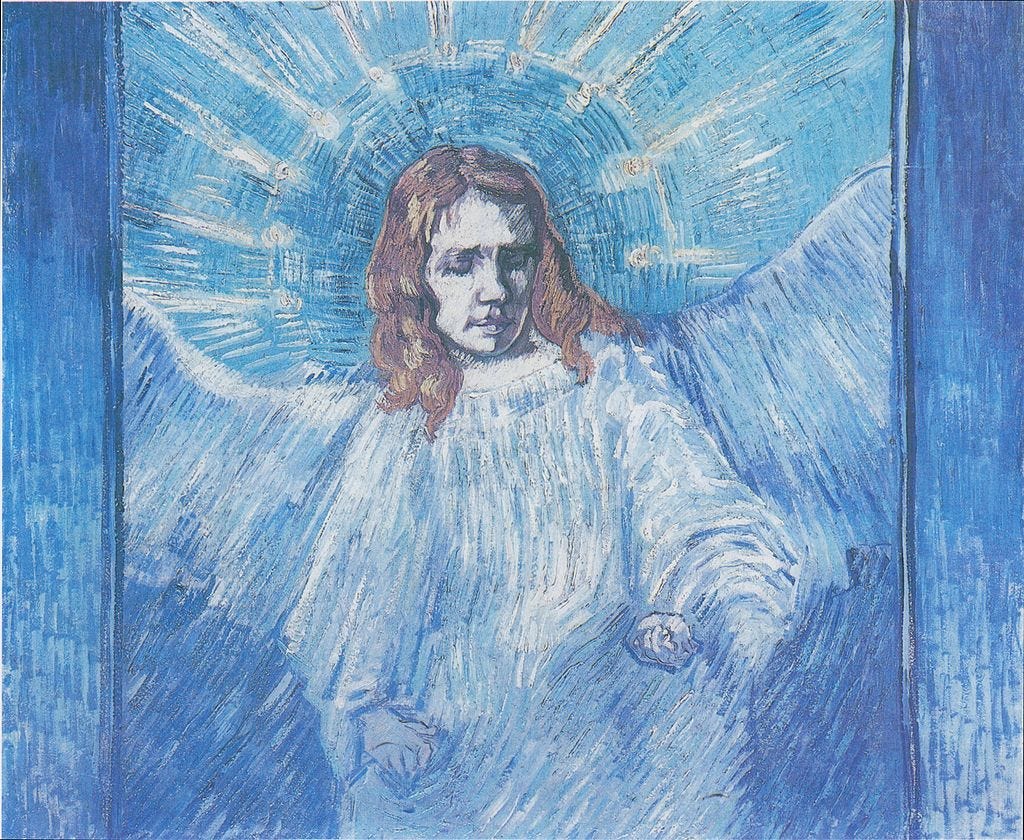
What lies in the chasm between creating content versus art? It’s not skill, effort, or even talent. Content can demand as much training, discipline, ingenuity, and technical mastery as any work of art—it is not lost on me that there is a science to which corner of a thumbnail should have an icon or which three seconds of a video will determine whether ten thousand people keep watching. Pornography is no less laborious, its industry sustained by an elaborate regime of techniques, from body modification and birth control to using human bodies to the point of trauma. Nobody can accuse either industry of not knowing how to work hard. But the measure of a creation is not how much work went into making it, but what all that work was in service of, and what it leaves with its viewers. Pornography creates the appearance of desire without requiring any of its intimacy, like how content has the veneer of influence without requiring any of its consequence. You can be enormously profitable doing something intensely difficult and still be utterly empty.
The fact that the retina is not “connected” to the brain but is literally part of the brain means that we’re not “using our eyes to see the world”, we are our eyes, and we become what we look at. What you pay attention to becomes who you are, which is why devotion—total attention—is the unit measurement of being. (This is a topic I’ve been obsessed with, check out my talk: “You Are What You Practice”.)
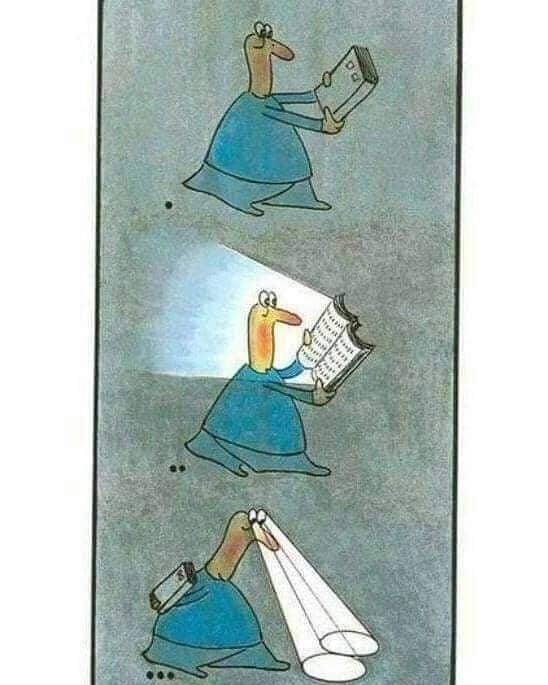
The trouble with content is that it asks nothing of its audience beyond a extraction of their attention, time, and life. Art is penetrative—it enters the attention, time, and life of its viewers so that it is not merely seen, but makes that seeing matter. Like this:
As always, thanks for reading ❤️

Well said.