


If you enjoy essays like this one, you’d love my self-published book:
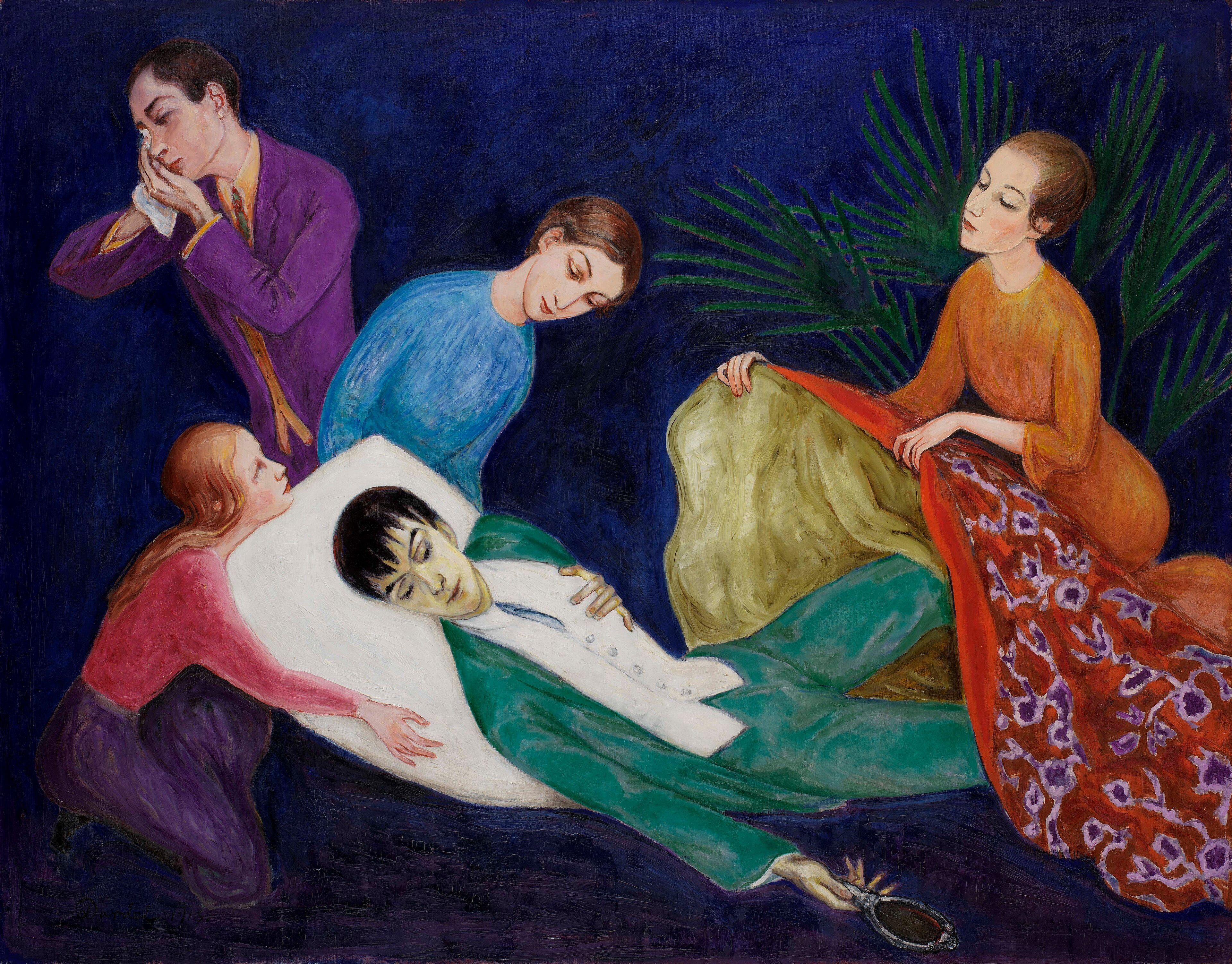
The Instagram generation experiences the present moment as an anticipated memory.
—Daniel Kahneman
In the previous decade, a phrase we used to say on Instagram was “camera eats first” which is when you took a photo of your meal before you enjoyed it for what it is—something to be eaten.
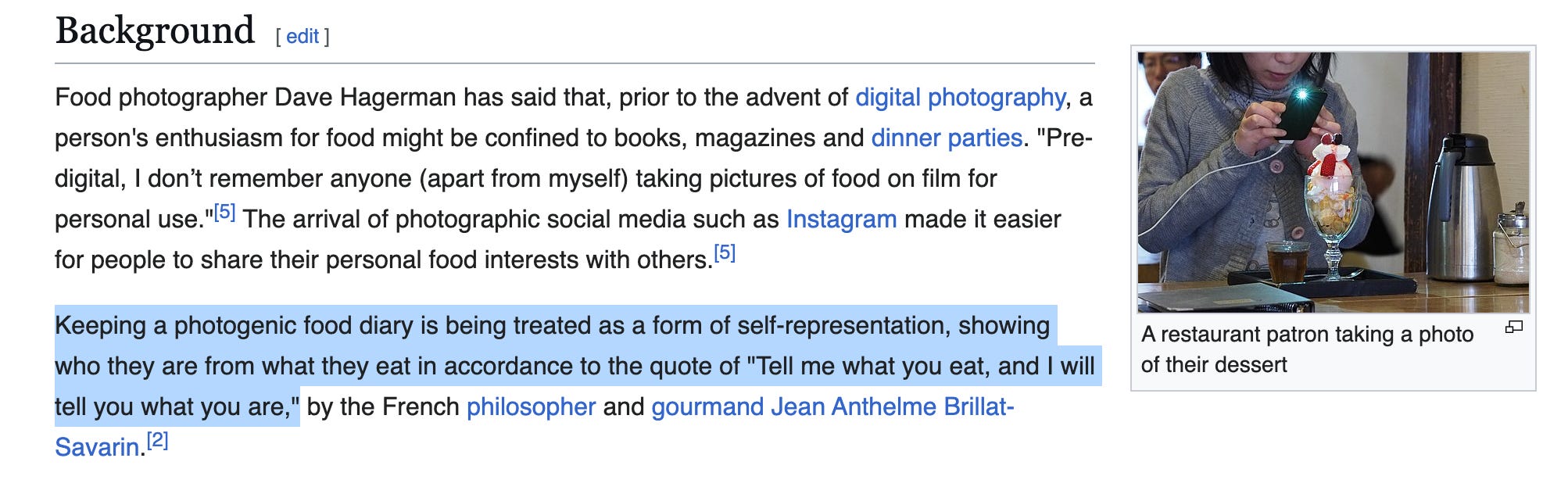
Amidst the pressure to record everything, I feel like the entire world has become a pretty dinner setup, and we’re all standing by, hungry yet afraid to dig in because we all think that documenting and sharing our memory of that moment matters more than getting inside our bodies and enjoying that moment from first-person-perspective in real-time.
In a way, everything is marketing. In the commercial sense, it means that a company curates a brand to sell something for profit. In the personal sense, we curate ourselves into certain types via our taste in clothes or our beliefs in order to be perceived as attractive, affluent, avant-garde—whatever it might be—and we do it for networking, dating, socializing—it’s to “sell” ourselves to something or someone, whether it’s for a feeling of self-assurance or creating an impression. A bull elk grows up to 40 pounds of bone from his skull every single year, then burns through 20% of his body weight during the rut to secure a harem; birds of paradise perform equally bizarre rites to do the same; men and women have always enjoyed shiny cars and hip-waist ratios for the admiration they win us.
In a way, nature has always been driven by marketing. However, the digital world creates a matrix-reality where the lifestyle we say we live remains manicured forever and can feel more tangible than the grass outside. If you sleep for 8 hours per day and have a screen time of 8+ hours, you are spending more than 50% of your conscious life in the matrix!!
When everything is “curated”, we create a gap between our life and our lifestyle.
Or, in Pope Leo XIV’s words:
When simulation becomes the norm, it weakens the human capacity for discernment. As a result, our social bonds close in upon themselves, forming self-referential circuits that no longer expose us to reality. We thus come to live within bubbles, impermeable to one another. Feeling threatened by anyone who is different, we grow unaccustomed to encounter and dialogue. In this way, polarization, conflict, fear and violence spread. What is at stake is not merely the risk of error, but a transformation in our very relationship with truth.
My oversimplified version of this is, “it’s now easier than ever to lie and live an entire life in that lie without even knowing it.” While the synthetic world we create online is REAL in its own way, it is is never TRUE.
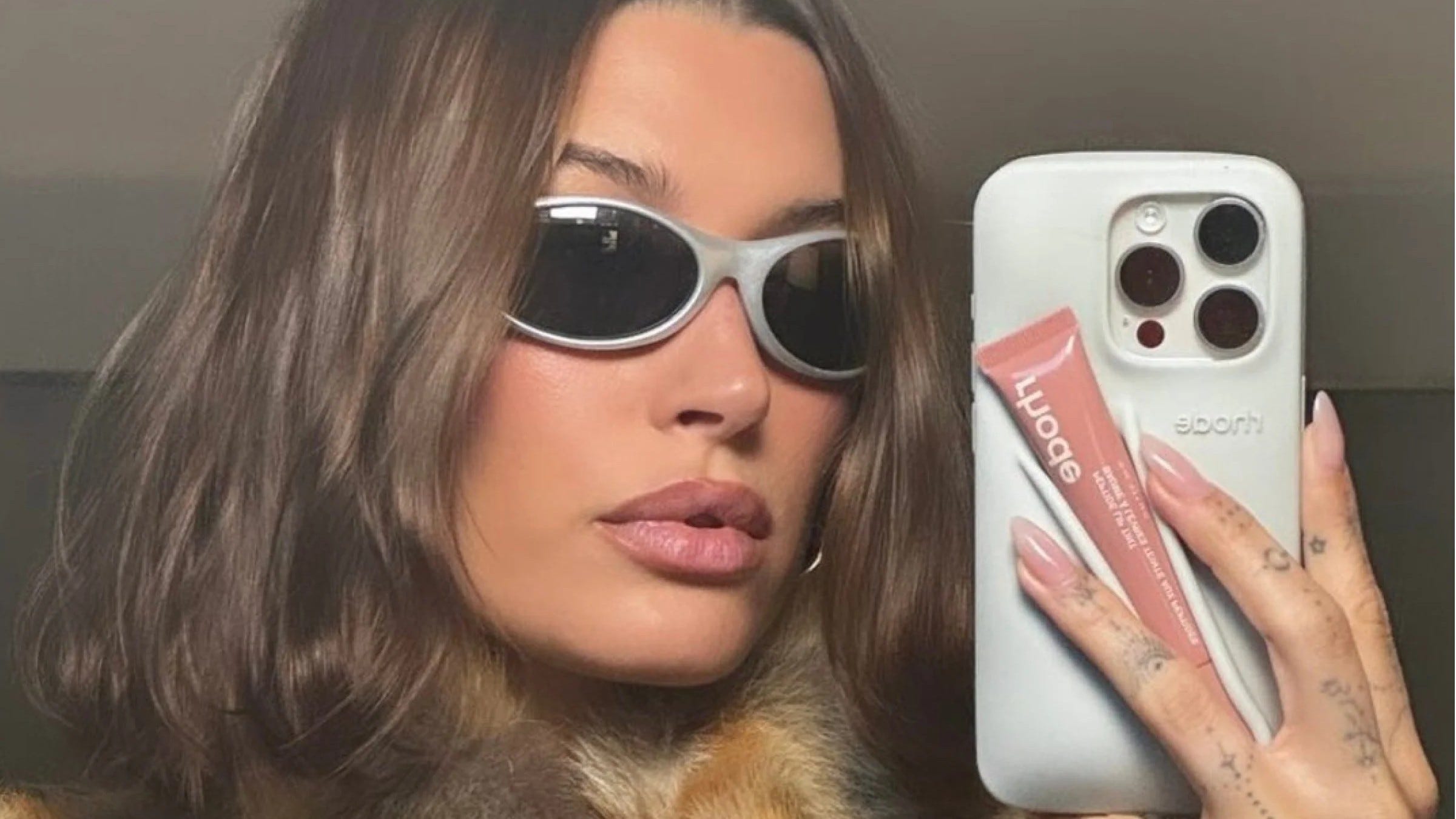
The urgency to post-and-share everything makes us stage our life for the sake of its documentation. We live to serve our images, like how restaurants and bars are arranged being mindful of how it will look in the pictures that people will take of it. A restaurant’s name might be printed on its plates. A shop’s window might have a decal of a hashtag so a post of it would look like it’s already captioned. Rhode’s phone case is so viral because it uses the medium of the mirror selfie to promote its lipgloss—the back of your phone is ad space!
“The Instagram generation experiences the present moment as an anticipated memory,” means that the three-dimension reality we inhabit is now being arranged with the post hoc two-dimensional picture or video of it in mind. Weddings are arranged for the cameraman; podcasts are arranged for the 16:9 YouTube rectangle.
In “Get Inside Your Body” on Inkwell, I said that what creeps me out about intelligent machines isn’t that they’re becoming more and more human, but that WE’RE the ones losing our true nature and becoming machinified:
We are becoming less embodied. The distance between reality and our ability to experience it—five senses and beyond—is widening. The way our digital reality rules over us resembles how Carl Jung described the way slaves silently overshadowed Ancient Rome: “Every Roman was surrounded by slaves. The slave and his psychology flooded ancient Italy, and every Roman became inwardly, and of course unwittingly, a slave. Because living constantly in the atmosphere of slaves, he became infected through the unconscious with their psychology. No one can shield himself from such an influence.” Did every Roman have a slave, or did every slave have a Roman? Are we using AI to help us create more human things? Or is AI using us—OUR language, OUR engineering—to reproduce more AI?
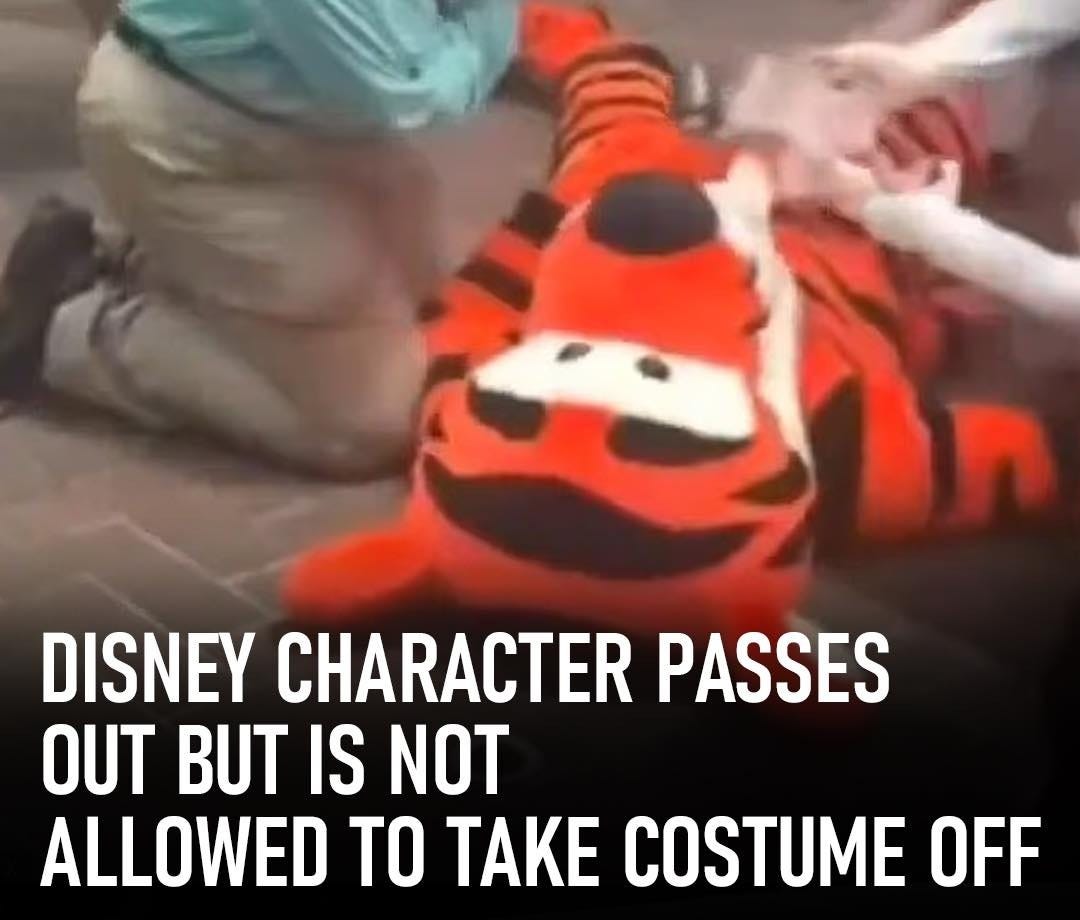
So, like Pope Leo says, reality and its simulation becomes more and more similar which makes it harder for us to discern what matters. What Noah Smith tweeted in 2017 still rings true, “15 years ago, the internet was an escape from the real world. Now, the real world is an escape from the internet,” except, now, the internet has become its own set of reality that makes leaving it feel optional, and you might realize at the very, very end of it all that nothing could’ve been further away from the truth. It’s all starting to feel like:
Get inside your life
What does it actually mean to be in your life? Is it just counting the years? Or being able to recall the highs and lows of it?
Actually, being in your life is just this present moment. I read this piece of advice that Donagh O’Shea, an Irish Dominican friar, gave to someone who was anxious about aging (from Catherine Shannon’s “No distance”):
Whenever something wonderful is going on I am wholly taken by it; I am fully in that moment; I am immersed in my experience, there is no distance between me and my life. This ‘no distance’ is another word for love. When we love what we are doing, we forget about ourselves, we don’t say things like “I haven’t much time left.” Our whole life is somehow crystallised in this moment.
I heard this story about how the bodies of people who die of thirst in the desert are often found carrying full bottles of water because they’re afraid that if they drink it they won’t have enough left to make it out of the desert. When we’re fixated on the lifestyle and not life, we stay stranded, wasting the right moment in front of us by waiting for “the right moment” when it was, is, and always will be the moment of now. We waste youth on being anxious about aging. We waste good company worrying about being alone forever. We waste nice candles by not burning them, and pretty dresses by never getting them dirty with sweat, rain, and makeup.
When we spend life contemplating its finitude, that’s when we’re actually wasting it the most. Life is just this moment. What you’re doing right now, what’s happening around you, that’s it. That is your life.
From O’Shea:
Do not be a spectator or a commentator on your life; instead immerse yourself fully in it. Measuring it is a way of being subtly separate from it.

Your writing always seems to find me right when I need it. Thank you for the reminder.
Need to come back to this post as a reminder❤️